Madrid hub de inversión

Madrid as a Hub for Investment, Talent, and Technology

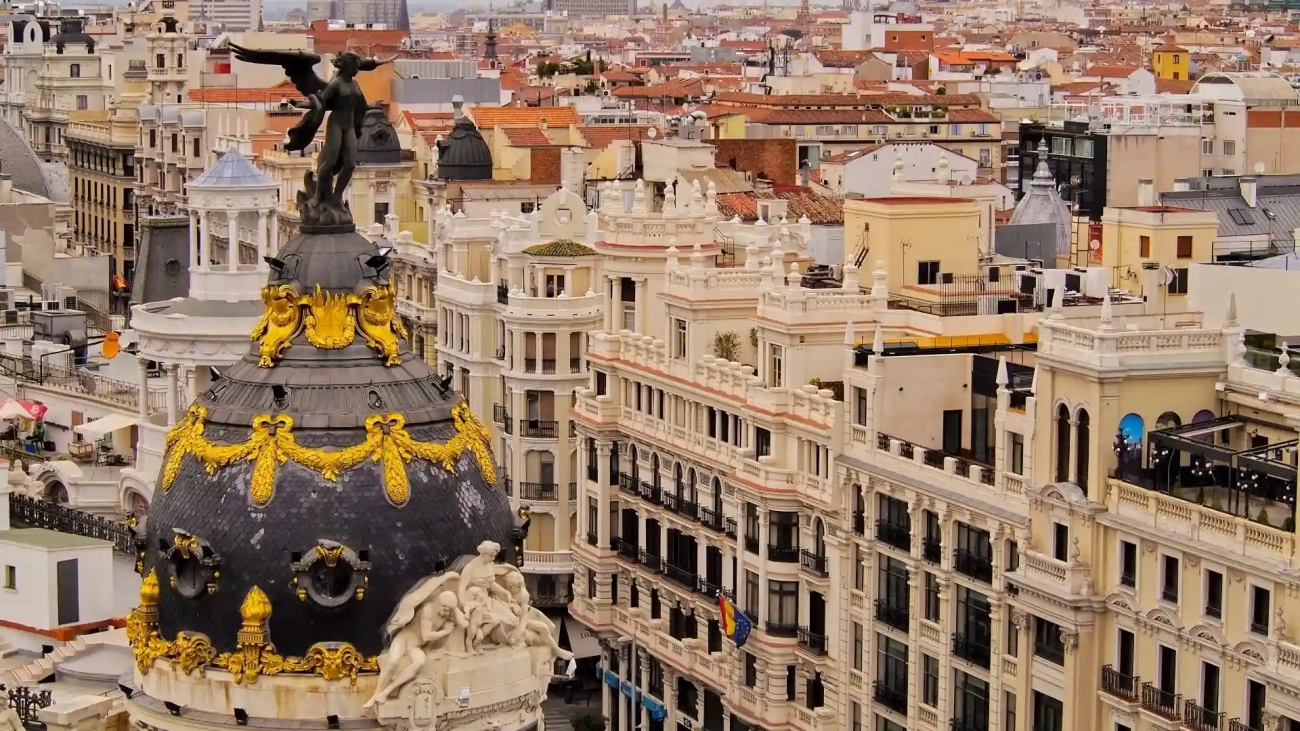
Madrid is solidifying its position as one of the main hubs for investment, talent, and innovation in Europe. With stable economic growth of 3% annually (3.3% in 2024), competitive taxation, and an enviable quality of life, more and more companies and professionals—both Spanish and international—are turning their eyes toward the capital as a strategic destination to live, work, and invest.

Far from being a passing trend, this interest stems from active policies, modern infrastructure, and a business ecosystem that is constantly expanding. The city offers both profitability and security while creating real opportunities for those looking to be part of the new European economic fabric. Living and working in Madrid means accessing top professional opportunities in a safe environment filled with cultural and leisure options for every taste.

An Economy That Attracts Global Investment

Madrid is experiencing a phase of economic maturity that makes it an appealing destination for professionals and investors from around the world. In addition to its growth, the city offers one of the most competitive tax systems in the country: the lowest personal income tax (IRPF) rates and specific benefits for investors.

These factors have triggered a “pull effect” for emerging and high-value sectors. Logistics, artificial intelligence, aerospace and defense industries, biotechnology, and pharmaceuticals have all chosen Madrid as a base for operations, research, and development centers.

Diego de Arístegui, spokesperson for Invest in Madrid—the regional office focused on attracting foreign investment—summed it up clearly during an event held in the capital this past April: “Madrid not only offers economic advantages but also a long-term strategic vision, with stable policies and a real commitment to innovation.”

A concrete example of this commitment is the newly inaugurated Innovation Center of the Community of Madrid, a 1,200 m² space designed to foster collaboration between citizens, entrepreneurs, and tech companies. According to Miguel López-Valverde, Regional Minister for Digitalization, the center “is born with the ambition to become a nerve center for Madrid’s digital transformation and to respond to the projected population growth of 1.2 million new residents over the next ten years.”

This type of infrastructure and public-private partnerships is what positions Spain’s capital as one of Europe’s most promising business ecosystems.

International Talent in a Connected City

Madrid has also successfully distinguished itself through its ability to attract and retain talent. According to LinkedIn, it is the second-leading European region in attracting skilled talent, surpassed only by London. This is no coincidence: Madrid concentrates nearly 8% of employment in tech and communication sectors, making it the second-highest city in Europe in terms of high-tech employment concentration.

The city’s mayor, José Luis Martínez Almeida, summarized Madrid’s unique value during a press event in January 2025. The capital, he said, “offers growth and prosperity, quality of life, and the freedom for people to feel free.”

Moreover, its pool of qualified professionals is supported by specific policies to attract foreign talent, such as favorable tax regimes for “impatriates,” and residence permits for digital nomads and highly skilled professionals.

“Talent is a strategic pillar for global companies tackling equally global challenges,” explains Clemens Auersperg, partner at McKinsey. “Madrid stands out not only for its human capital but also for its connectivity, climate, cultural offerings, and a cost of living more affordable than other major European capitals.”

Transportation—and specifically, air connectivity—also plays a key role. Adolfo Suárez Madrid-Barajas Airport acts as a natural bridge between Europe, Latin America, North America, the Middle East, and North Africa, making the city a strategic hub for the global mobility of professionals and companies.

In parallel, public and private universities, tech training centers, and entrepreneurship programs are feeding a young, dynamic, and highly skilled ecosystem. All of this reinforces Madrid’s image as a true technological and human hub.

Living in Madrid: Quality of Life and Opportunities

But beyond business and technology, Madrid is a city built for living. Its climate, cultural scene, neighborhood diversity, public services, and citizen safety make it one of the most livable capitals in the world. The Expat City Ranking by InterNations placed Madrid sixth globally as one of the best cities to live in, highlighting its digital life, personal finances, and overall quality of life.

For those relocating for work or educational purposes, the mid-term rental market is an excellent option, offering all types of well-located homes and the flexibility this model provides. Whether for a few months or a longer stay, BizTrip offers the best seasonal accommodation deals in Madrid, designed for those looking to settle in hassle-free and start enjoying the city from day one.

Madrid has long ceased to be just an administrative capital and has transformed into a vibrant, connected, intelligent, and welcoming city. A city where investing, working, and—above all—living are all part of one integrated experience.

Book Now on BizTrip

planes en Madrid

Things to Do in Madrid: Experience the Capital

Madrid is not just visited, it’s lived! It is a vibrant city, full of history, culture, gastronomy, and plans for all tastes. Whether you come for a few days or stay longer for professional or family reasons, there are hundreds of things to do in Madrid that will make you want to stay (and come back). And if you are looking for accommodation to enjoy everything the capital offers, take a look at the seasonal rentals we have available and book your perfect stay with BizTrip in the best neighborhoods of Madrid.

Must-See Places to Visit in Madrid

Madrid surprises with the richness and variety of its streets, squares, and buildings. The historic center, with neighborhoods like Sol, Austrias, or Las Letras, is the ideal starting point. Here you will find a perfect mix of history, culture, and dynamism. These areas keep the urban layout and essence of Madrid from past centuries, where some of Spain’s greatest writers and artists once walked. Spaces like Plaza Mayor, Santa Ana, or Calle Arenal invite you to stroll and stop to admire the architecture or enter one of its various cultural venues.

The Chamberí neighborhood is also a must-see for those wanting to discover the most stately Madrid, with quiet and elegant streets hiding architectural treasures. If you prefer a more modern and open vision of the city, Malasaña and Lavapiés offer a vibrant, bohemian, multicultural atmosphere filled with street-level artistic activities.

Madrid unfolds like a map of contrasts from north to south, where tradition and modernity go hand in hand. The best part is that everything is perfectly connected by public transport, making it very easy to explore all these neighborhoods in a short time.

Cultural Activities in Madrid: Museums, Theaters, and More

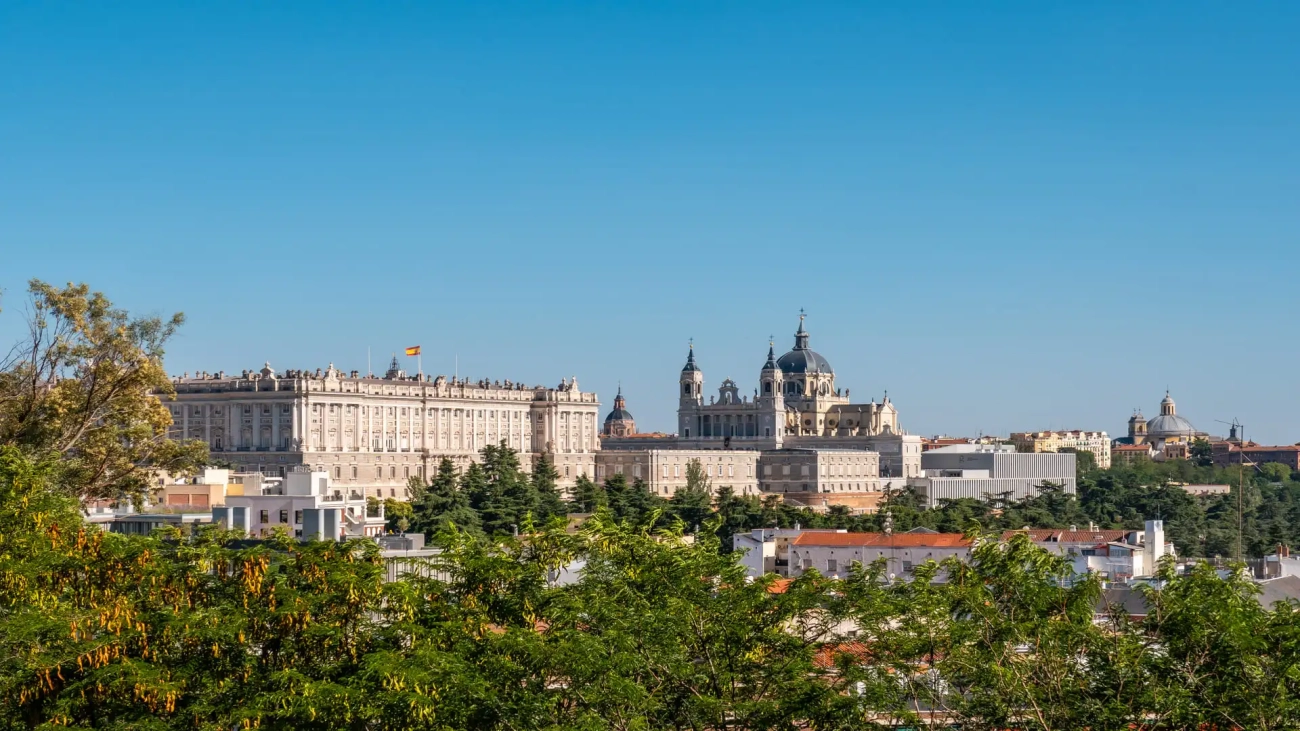
Madrid’s cultural offer is endless, with many epicenters concentrated in specific neighborhoods. On the Paseo del Arte, which crosses parts of Jerónimos and Las Letras, you will find some of Europe’s most renowned museums, such as the Prado Museum, Reina Sofía, and Thyssen, allowing you to enjoy both classical and contemporary art. This area is perfect if you want to spend a day immersed in cultural history.

But culture isn’t limited to museums alone. In neighborhoods like Centro, Justicia, and Argüelles, you’ll find a large concentration of theaters with varied programs: from classic plays to contemporary premieres, including dance, opera, and experimental shows. The Teatro Real, Español, and María Guerrero theaters fit perfectly into urban life, letting you combine a city walk with a show at the end of the day.

Additionally, neighborhoods like Salamanca and Chamartín host cultural centers with a constant schedule of exhibitions, talks, film cycles, and workshops. Many of these spaces focus on current and sustainable proposals, ideal if you want to join experiences that combine art, thought, and community.

Best Places to Eat in Madrid

The capital of Spain is a feast for the senses and, without a doubt, one of its great attractions is the variety and quality of its gastronomic offer. Here you can try everything from traditional dishes to international haute cuisine, visit classic taverns, or enjoy avant-garde cooking. Beyond the food, what makes the difference is the diversity of atmospheres and styles each neighborhood offers.

In Chueca and Malasaña, for example, it’s common to find modern venues with innovative proposals, ideal for those seeking something different. In Lavapiés, the culinary experience becomes multicultural, with flavors from around the world. La Latina and Austrias are perfect for savoring traditional Castilian cuisine in settings full of history and personality.

Meanwhile, the neighborhoods of Salamanca and Chamberí offer a more sophisticated experience, where haute cuisine and attention to detail set the tone. In short, if you love good food and trying something new every day Madrid is a constantly reinventing paradise.

Outdoor Plans in Madrid: Parks and Charming Terraces

Madrid is a bright city and outdoor life is an essential part of its lifestyle. The most emblematic parks are spread across neighborhoods like Retiro, Moncloa, and Casa de Campo, all perfect for walking, exercising, or simply disconnecting in a natural setting.

In Madrid Río, the old industrial area has been transformed into a green corridor with zones for walking, cycling, or enjoying outdoor performances. This space, alongside the Manzanares riverbank, has become a favorite for both visitors and residents. Nearby, you can find apartments in the Arganzuela neighborhood that put you just steps away from culture and the best outdoor experiences.

It’s also common in neighborhoods like Chamberí or Salamanca to find small plazas and gardens hidden among buildings, turning into true urban oases.

Nightlife in Madrid: The Best Bars and Clubs

One of the city’s most iconic features is its nightlife, famous for its intensity, diversity, and ability to surprise. There is no single way to enjoy the night here: you can start with a quiet drink and end up dancing until dawn. Each neighborhood has its own rhythm and vibe, allowing for completely different nights depending on where you are.

Malasaña and Chueca stand out for their alternative and relaxed atmosphere, with venues for all tastes. If you seek something more classic or traditional, La Latina and the Las Letras neighborhood offer a more relaxed but equally vibrant environment. For those who prefer an elegant and select night out, Salamanca and Chamartín also have sophisticated options for a calm enjoyment.

Madrid never sleeps, and the night becomes a complete experience where you can dance, chat, discover new music, or simply let yourself go. Whatever your plan, there is a perfect neighborhood for you.

Book Now on BizTrip

vivienda flex living

Flex Living: the new way of living adapted to your lifestyle

Can you imagine a home that adapts to what you need at every moment, without long-term commitments and that guarantees all the comforts for the time you stay in it? That’s exactly what Flex Living offers—a trend that’s gaining popularity and revolutionizing the way we can live.

What is Flex Living and why is it booming?

Flex Living, or flexible renting, is a housing model that allows tenants to adjust their length of stay according to their needs—from a few weeks to several months—without the commitments of traditional contracts. This concept combines the privacy of a home with high-quality services, offering an ideal solution for those seeking comfort without long-term ties.

Its popularity has grown in recent years, especially in big cities where the rental market is limited and prices are high. The demand for more flexible housing models has been driven by factors such as the rise of remote work, growth in corporate tourism, and increased mobility among international professionals and students.

Advantages of Flex Living over traditional rentals

Flexible renting offers a series of benefits that make it an attractive alternative to conventional rentals:

Total flexibility: Adjust your stay according to your needs, without lengthy contracts or large deposits. You can rent an apartment for a few weeks or even months without the usual restrictions of traditional renting.

Included services: Flex Living properties usually come with services like cleaning, maintenance, high-speed internet, security, and access to common areas. All of this is included in a single monthly fee, making management easier and reducing unexpected costs.

Community and networking: This model encourages interaction between residents through events and activities. It’s a big advantage for digital nomads, entrepreneurs, and expats looking to build connections in a new city.

Fewer worries, more comfort: You don’t need to worry about buying furniture, setting up utilities, or maintenance issues. Everything is designed so you can settle in and enjoy the experience hassle-free.

Strategic locations: Flex Living is found in premium city locations, providing easy access to business centers, public transport, and leisure areas.

Cities where Flex Living is revolutionizing housing

Major European cities are adopting Flex Living—especially those with a high flow of professionals and tourists looking for temporary, hassle-free stays. In Spain, this model is transforming the real estate market in Madrid, Barcelona, Málaga, Valencia, and Bilbao, among others.

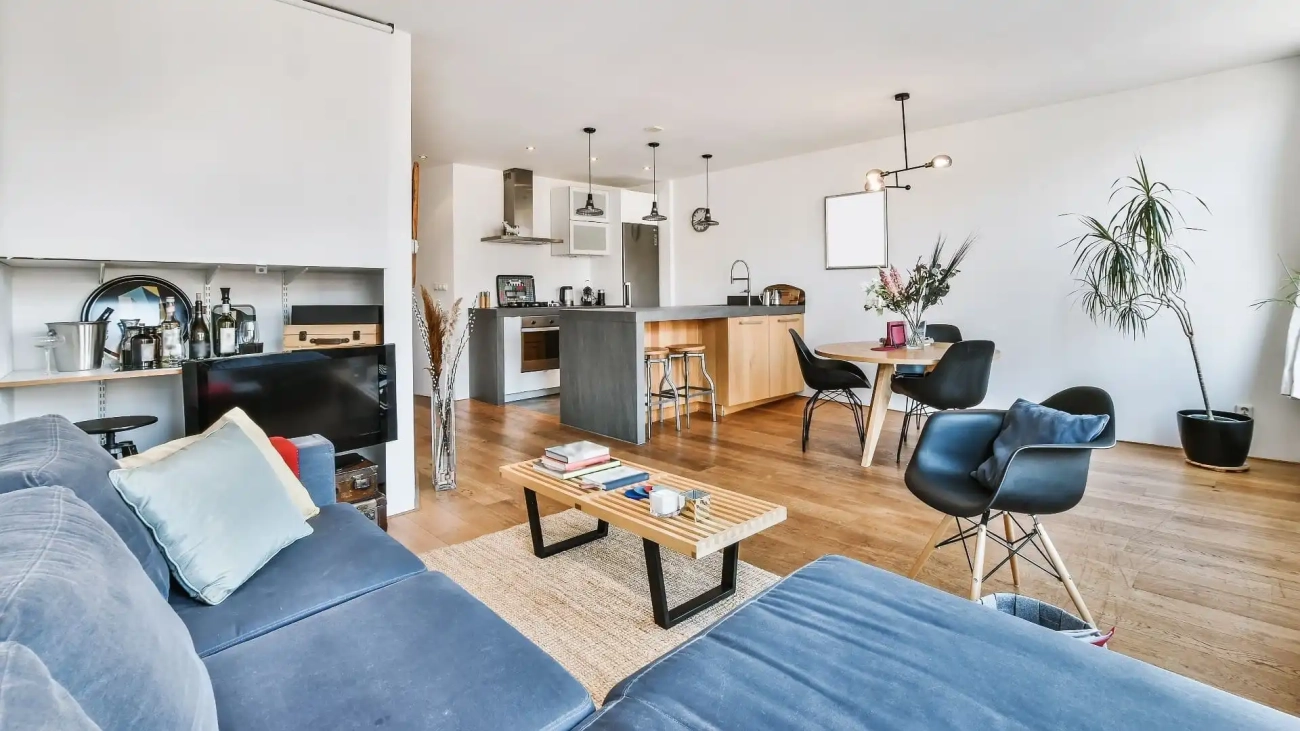
Madrid, in particular, has become one of the epicenters of Flex Living due to its large population of international professionals, expats, students, and entrepreneurs. The city offers ideal infrastructure for this model, with neighborhoods like Salamanca, La Latina, Chamartín, Malasaña, and Chamberí, among others. There are options for every taste—you can find, for example, a bright apartment in the heart of the city, with included services and maximum flexibility.

If you’re looking for quality options, BizTrip offers magnificent apartments in Madrid, perfect for business or transitional stays. So, now you know—if this is the model you’re after, book with BizTrip in the capital’s top neighborhoods.

Types of housing that can follow a Flex Living model

Flex Living covers a range of housing solutions with different characteristics tailored to different needs. Here are some of them:

Coliving

These are spaces where tenants share common areas and private zones, ideal for digital nomads, entrepreneurs, or remote workers. It also encourages professional relationships and networking.

Cohousing

Private homes with shared spaces like kitchens, gardens, and gyms, designed to foster community and neighborly cooperation. This model is usually intended for longer stays than coliving.

Multiliving

Hybrid environments that integrate housing and shared work areas, promoting a balance between personal and professional life.

Senior Living

Buildings designed for older adults, with accessible spaces and assistive technology. The goal is to support independent, active living with excellent care and all necessary services.

Who is Flex Living ideal for?

In today’s society, many new lifestyles and professional profiles have emerged that require or allow for frequent relocation. For them, Flex Living is especially suitable. It’s also a great fit for other groups:

  • Digital nomads looking for temporary housing with great services and an active community.
  • Mobile professionals needing flexibility for work travel.
  • Entrepreneurs and freelancers who value networking and connecting with others.
  • International students needing a hassle-free housing option.
  • People in housing transitions, such as during renovations or personal changes.

Tips to get the most out of Flex Living

The advantages of this model are clear, but it’s worth considering a few things to make sure your experience suits your style and is fully satisfying:

  • Define your needs: Before choosing a Flex Living option, consider how long you’ll stay, which services matter most, and your preferred location.
  • Research available options: Explore different types of housing and compare what they offer in terms of services, community, and costs.
  • Engage in the community: Get involved in activities and events to make the most of the experience and expand your network.
  • Read the rental terms: Make sure you understand the rental conditions, including stay flexibility and included services.

Flex Living represents an evolution in the way we think about housing—adapting to the needs of a more dynamic and mobile society. If you’re looking for a housing solution that combines flexibility, comfort, and a fulfilling experience, this might be the perfect option for you.

Book Now on BizTrip