
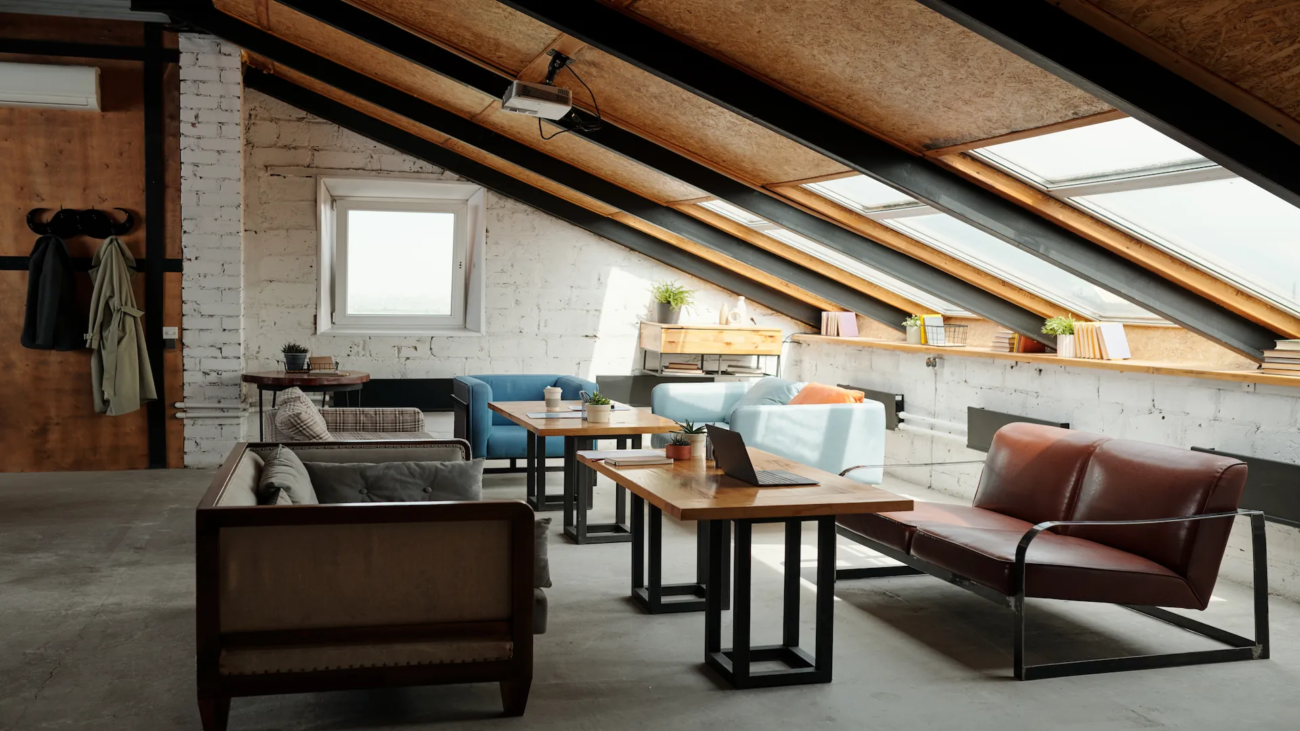
Renting a studio in Madrid in 2025 has become one of the most sought-after options among young professionals, international students, and expatriates. Finding a well-located, reasonably priced studio requires planning, quick decision-making, and market knowledge, especially after the enactment of the Housing Law 12/2023, which has transformed rental regulations in Spain.
Why Rent a Studio in Madrid?
Opting for a studio in Madrid is not only a budget decision. This compact type of housing offers autonomy, efficiency, and access to prime locations—key factors for those who value their time and urban lifestyle.
- Economic and Energy Efficiency: A studio between 25 and 35 m² allows for reduced monthly fixed expenses. Thanks to its size, climate control costs are lower, which is especially relevant in Madrid, where summers exceed 35 °C and winters can be chilly. Additionally, maintenance is minimal, saving both time and money.
- Privacy and Autonomy: Unlike shared apartments, a studio ensures total independence. It is an ideal choice for those who prioritize privacy and control over their living environment, without sacrificing living in the heart of the city.
- Strategic Location: Studios allow access to central areas such as Chamberí, Salamanca, or the Centro district, where living in a larger apartment would be unaffordable. This proximity to cultural, gastronomic, and leisure areas also translates into indirect savings on transportation, as you can forgo a car and take advantage of Madrid’s excellent metro and bus network.
Studio Rental Prices in Madrid: What Can You Expect to Pay?
The Madrid rental market is currently in its most competitive phase in years. In 2025, prices have reached historic highs, with year-on-year increases of up to 18% in some districts.
General Price Range:
A typical 30 m² studio ranges from €650 to €1,600 per month, depending on the location and condition of the property. The most expensive districts—Salamanca, Centro, and Chamberí—exceed €26/m², while more affordable areas like Vallecas, Carabanchel, and Vicálvaro hover around €18/m².
Indicative Examples:
- Salamanca: from €828 to €1,200
- Centro: between €813 and €1,100
- Tetuán: €675 – €900
- Puente de Vallecas: €564 – €750
The price premium for smaller spaces is real: studios are more expensive per square meter due to high demand and limited supply. In central neighborhoods, a well-renovated studio can exceed €1,400 monthly, while in peripheral areas, there are still options below €700.
Tip: Analyze the relationship between location, transport, and services before making your choice. In many cases, a smaller studio in a central area can be more cost-effective in the long run than a larger property in the outskirts.
The Best Neighborhoods to Rent a Studio in Madrid
Choosing the right neighborhood is key to balancing price, quality of life, and proximity to personal points of interest. Here’s a guide by tenant profile:
- University Area: Moncloa and Argüelles. Perfect for students due to their proximity to Complutense and Polytechnic Universities. These areas offer a youthful atmosphere, though prices can be relatively high.
- Urban and Creative Style: Malasaña, Chueca, and La Latina. Ideal for young professionals and expatriates, these neighborhoods offer intense cultural life, dining, nightlife, and charming renovated properties, though tranquility isn’t always guaranteed.
- High-End and Exclusive: Salamanca and Retiro. Preferred by executives or diplomats, these neighborhoods stand out for their security, services, and elegant architecture. Studios are scarce and expensive but offer quality and comfort.
- Emerging Neighborhoods: Tetuán, Carabanchel, and Vallecas. These areas are constantly appreciating. Tetuán combines accessibility and proximity to the center; Carabanchel attracts artists due to its alternative vibe; and Vallecas remains the best option for those seeking moderate prices without sacrificing connectivity to the center.
- Peripheral Alternatives: Getafe or Leganés. Excellent for students at peripheral universities or workers commuting between municipalities. These areas offer slightly lower rents and more modern apartments with shared amenities.
Legal Requirements and Contracts When Renting a Studio
Before signing, it’s crucial to understand Law 12/2023, which governs tenants’ and landlords’ rights and obligations.
Habitual Residence vs. Seasonal Rental
- In a habitual residence contract, the tenant is entitled to an obligatory extension for up to 5 years (7 years if the landlord is a company). Additionally, agency fees are covered by the landlord.
- In a seasonal rental, the contract has a limited duration (e.g., 11 months), and the landlord can charge fees to the tenant. Many landlords misuse this figure to avoid extensions, but if the use is permanent, the law allows tenants to claim habitual residence rights.
Deposit and Guarantees
- Habitual residence: 1 month deposit.
- Seasonal rental: 2 months deposit.
An additional guarantee of up to 2 monthly rents may be added to secure payment.
Common Documentation
- DNI or NIE
- Employment contract and last three pay slips
For students, a family guarantee is usually required.
Avoiding Real Estate Frauds
Madrid, being a highly demanded market, also sees frequent scams. Be cautious with ads offering suspiciously low prices or landlords requesting transfers without showing the property. For more tips, check out our guide on how to avoid real estate scams.
Renting a studio in Madrid requires knowledge, speed, and strategy. Success lies in balancing location, budget, and legality, choosing secure contracts and areas that fit your lifestyle. Whether in a bohemian neighborhood like Malasaña or a university zone like Moncloa, the ideal studio exists. With good preparation and market knowledge, Madrid can offer much more than just a place to live: it provides a way to enjoy the city with freedom and efficiency.
Book Now on BizTrip